A Cellar Like a Cathedral
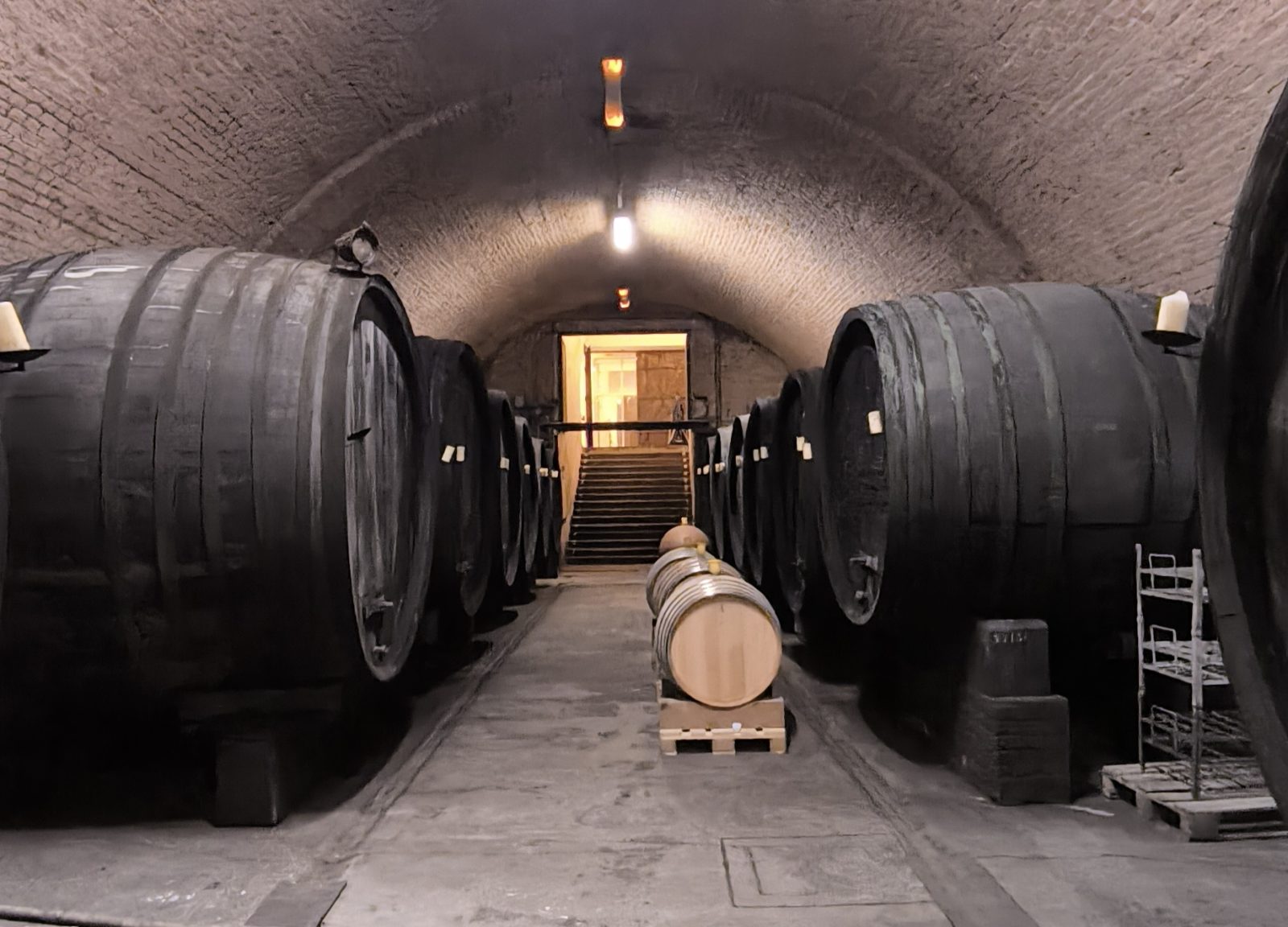
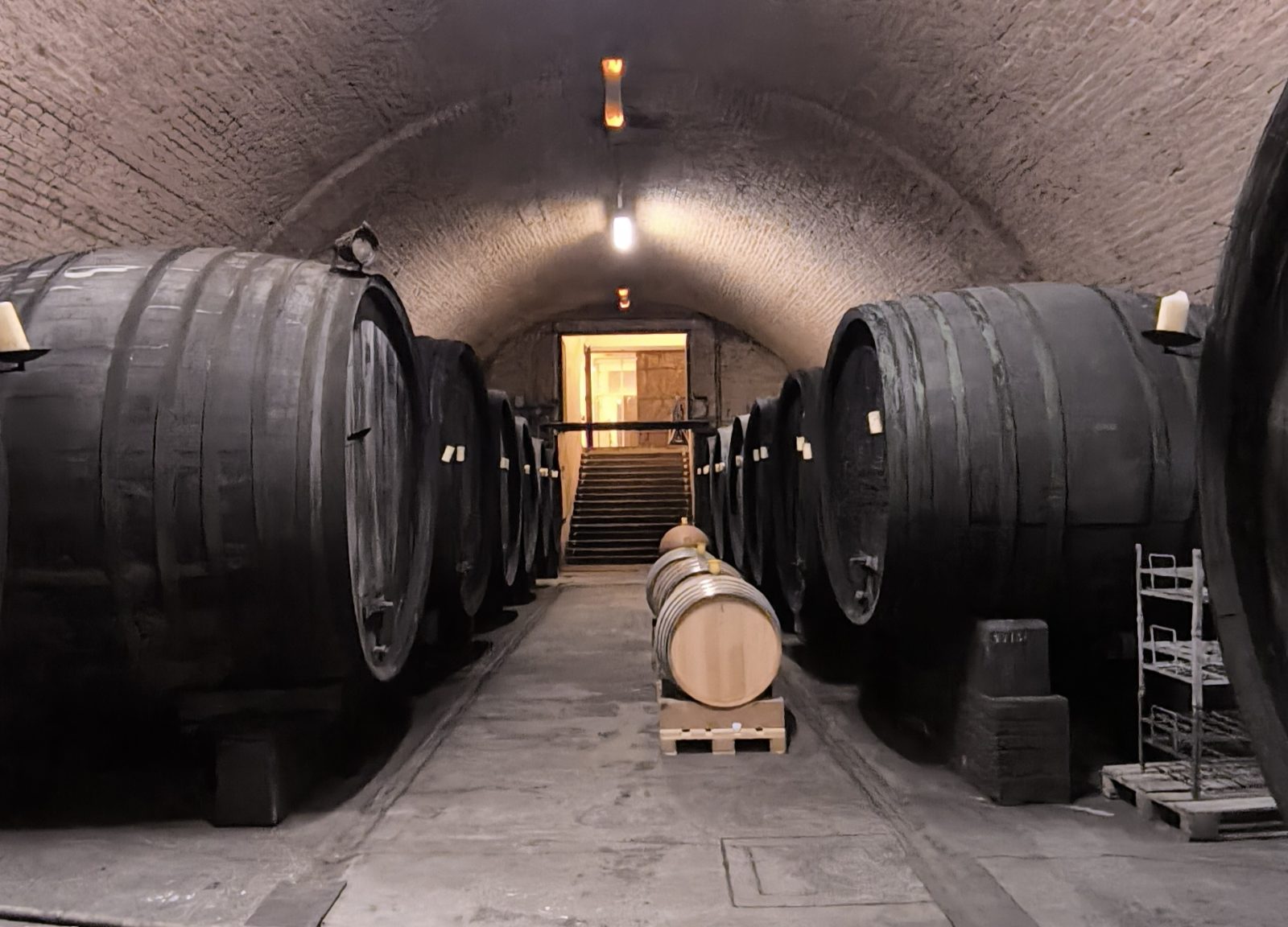
Gumpoldskirchen lies about 30 kilometers south of Vienna, on the edge of the Vienna Woods. Arriving at the Gebeshuber winery on Jubiläumsstraße, one is confronted by a structure that feels more like a grand state undertaking than a family-run business. This is the "Luegerkeller." It was commissioned in 1905 by the City of Vienna—under the administration of Mayor Karl Lueger—to serve as a storage cellar for the *Rathauskeller* (the restaurant and wine cellar located beneath Vienna’s City Hall). The intention was to keep the finest wines from across the Austro-Hungarian Monarchy on hand for the imperial capital.
The dimensions are immense: the facility spans approximately 3,000 square meters and has a capacity of two million liters. Johannes Gebeshuber purchased the property from a vintners' association in 1998—inheriting the cellar and its treasures in the process.
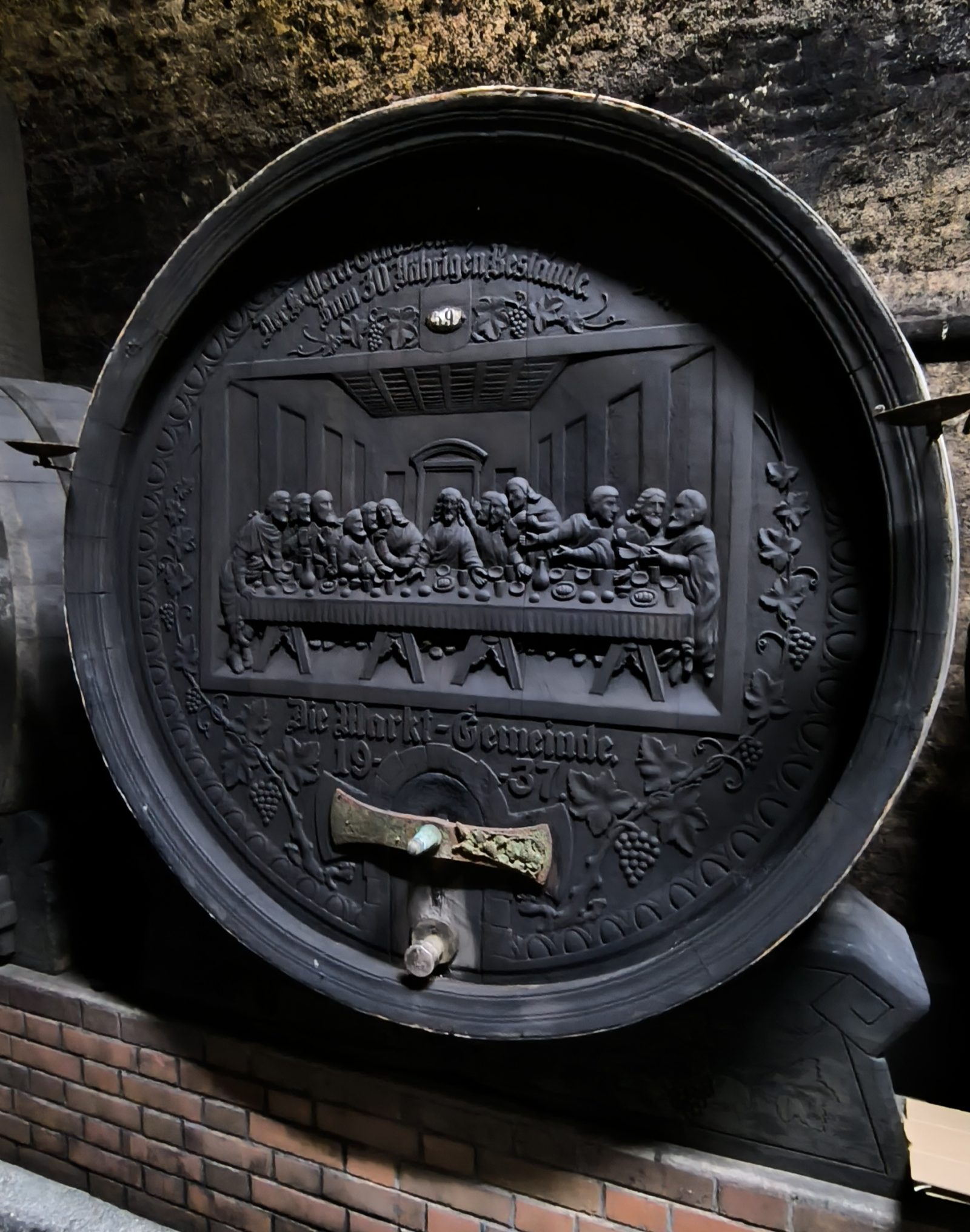
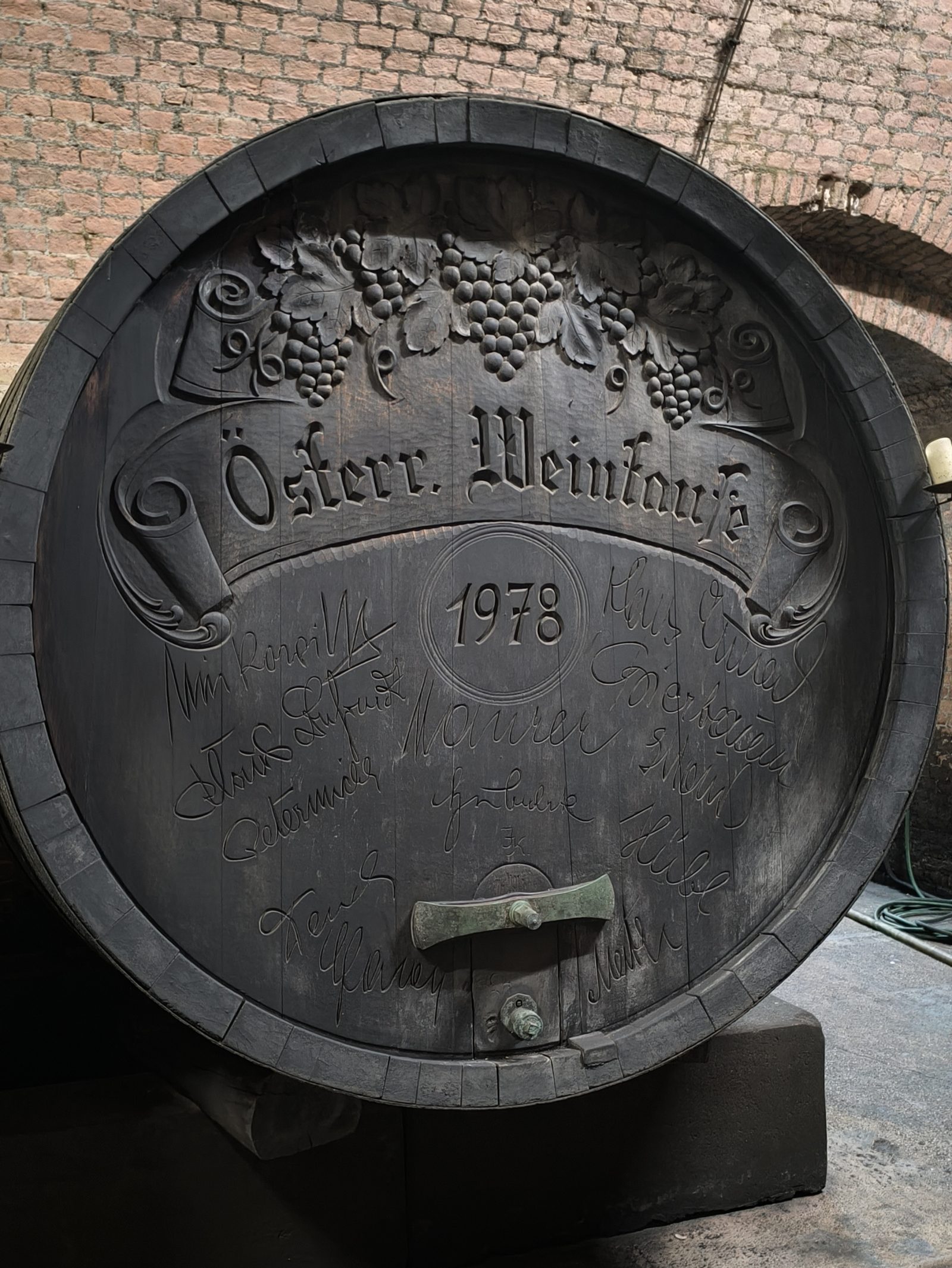
Old Barrels, Long Periods of Time
In the vast cellar, wooden barrels are lined up in rows. Their patina speaks of many different vintages. Gebeshuber places his faith in patience. He ages his single-vineyard wines in 500-liter barrels that have already been used several times. According to the winery, the 2024 Gumpoldskirchen Zierfandler spent eight months in barrels that were in their third or fourth cycle of use, while the Rotgipfler spent twelve months in them. He considers composure to be one of the most important ingredients in the cellar—or so he says himself.
The winery’s archive demonstrates just how far this patience can extend; vintages dating back to 1947 are stored in the cellar. During a vertical tasting, Gebeshuber once opened a selection of Zierfandler spanning from 1948 to 2017.
Two Varieties, One Commitment
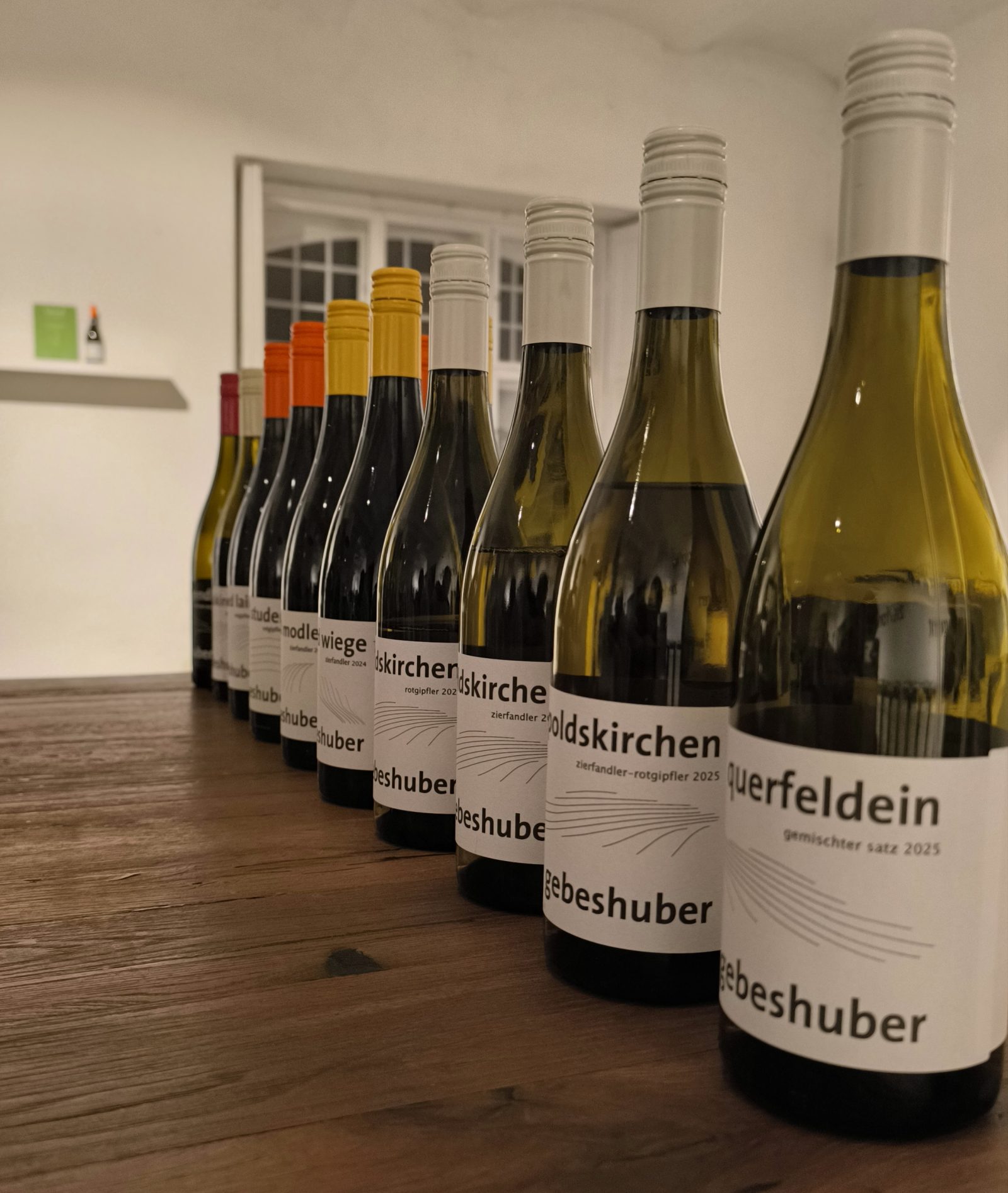
What makes this winery truly special is its consistency. The white wines are crafted exclusively from the indigenous varieties Zierfandler and Rotgipfler, while the reds focus on Pinot Noir and St. Laurent. His son, Ferdinand, describes the distinction as follows: "Zierfandler is more angular, more edgy than Rotgipfler." Zierfandler offers notes of citrus fruits and herbs, while Rotgipfler presents a rounder profile, revealing tropical nuances when fully ripe.
The most renowned vineyard sites are Modler (for Zierfandler), Laim (for Rotgipfler), Wiege, and Student. In the Gault&Millau guide, the 2023 Zierfandler "Ried Modler" was awarded 95 points, and the Rotgipfler "Ried Student" received 94. Village-level wines (*Ortsweine*) are priced from around 15 euros at the winery, while single-vineyard wines (*Riedenweine*) cost approximately 32 euros.
Biodynamic practices and the next generation
The estate manages 25 hectares spread across 42 individual plots and operates according to Demeter (biodynamic) standards. For Gebeshuber, agriculture is a cycle rather than an industry. A business graduate by training, he acknowledges that biodynamic vineyard management requires a more hands-on, artisanal approach. Since 2022, the estate has been a member of the *Traditionsweingüter Österreich* (Association of Traditional Austrian Wineries), which traces its origins to the region north of the Danube. His sons, Ferdinand and Paul, are also involved in the family business.
A visit to the cellar
Visitors can taste and purchase wines in the estate’s wine lounge. According to the website, it is open Monday to Friday from 8 a.m. to 5 p.m., and on weekends from 2 p.m. to 6 p.m. Those who wish to experience the interplay of tradition, wood, and time will find it in its purest form in Gumpoldskirchen.
Sources: www.falstaff.com, www.gaultmillau.at, weingut-gebeshuber.at, weingut-gebeshuber.at, weingut-gebeshuber.at, www.blick.ch, glossary.wein.plus, www.wienerwald.info